
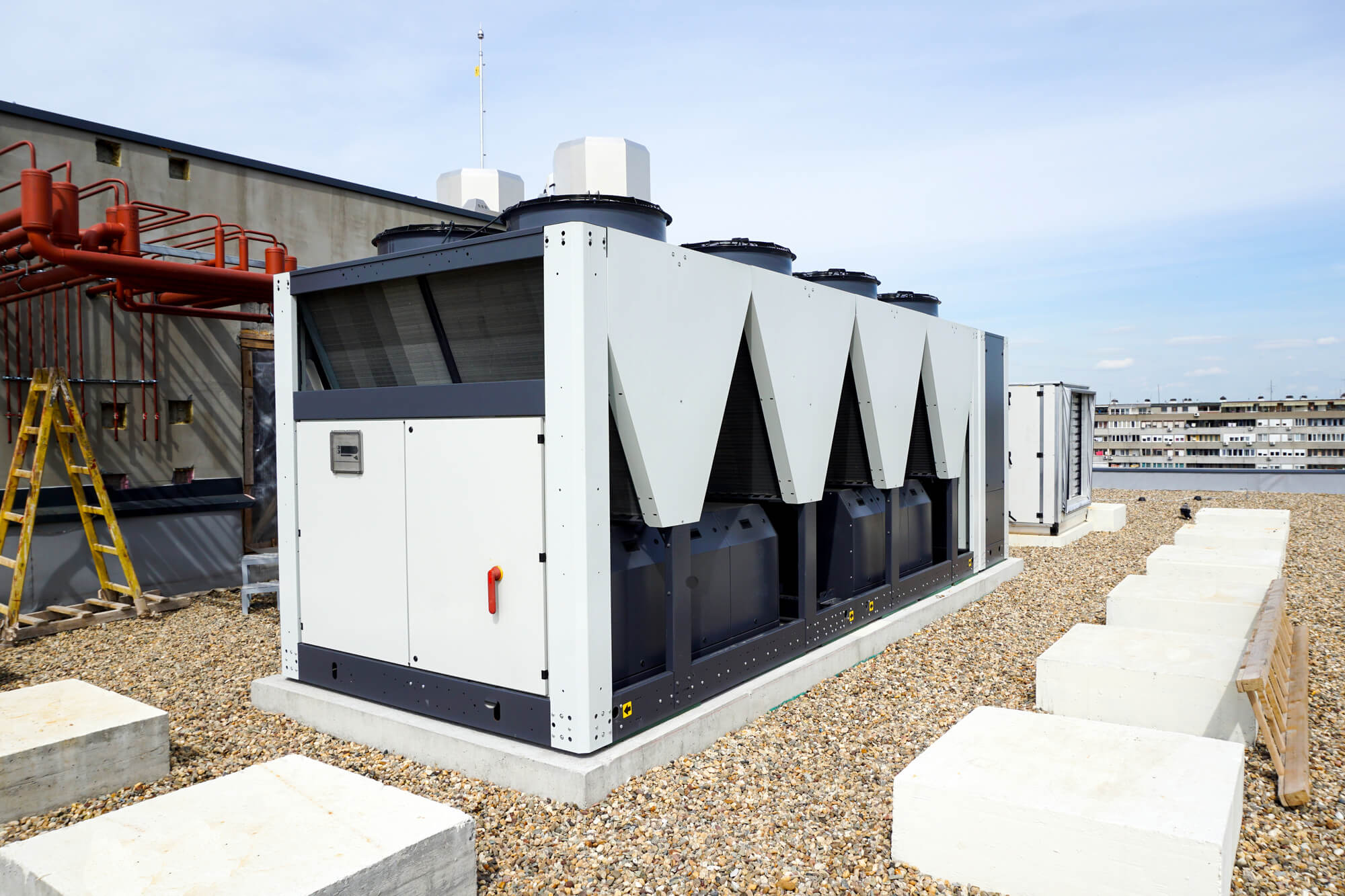
Innovative solutions like cost optimized reset (CORE) continue to deliver wins for California’s commercial buildings. Implemented through the CalNEXT program, a team consisting of TRC Companies, University of California Berkeley, and Taylor Engineers, implemented CORE in four medical office buildings across the state of California to demonstrate its potential to significantly reduce energy consumption and costs. The team refined the CORE algorithm to improve its operational stability across different applications and setups, ensuring it can be adopted in buildings with various system configurations.
The project not only highlights the effectiveness of CORE but also paves the way for broader adoption of dynamic, cost-responsive HVAC control strategies.
CORE is a dynamic, cost-responsive supply air temperature (SAT) reset strategy that minimizes HVAC costs by optimizing the interplay between heating, cooling, and fan energy cost. Unlike traditional strategies, CORE adjusts SAT setpoints in real time based on energy and utility cost factors. It uses existing trend data in the building automation system (BAS) including airflow rates, temperatures, and measured power together with utility cost data to calculate HVAC cost to run the building at the lowest cost while maintaining occupant comfort.
Multi-zone variable air volume (VAV) heating ventilation and air conditioning (HVAC) systems are widely used in commercial buildings, but their performance can vary significantly depending on the control strategies employed. Traditional SAT control strategies often fail to balance heating, cooling, and fan energy use effectively, resulting in higher energy consumption and costs.
After implementing CORE in four medical office buildings across diverse climate zones, the project team collected and analyzed HVAC energy consumption data to compare the new strategy against the existing demand-based SAT controls. The results were compelling, as CORE achieved energy savings ranging from 5 percent to 22 percent and energy cost savings of 1 percent to 20 percent. These outcomes underscore the potential of CORE to enhance energy efficiency and achieve cost savings in commercial buildings.
The CalNEXT project revealed critical insights into the effectiveness of CORE and identified challenges to implementing advanced HVAC control strategies. Across the four medical office buildings, CORE demonstrated significant energy and energy cost savings compared to existing demand-based controls highlighting CORE’s ability to deliver substantial efficiency gains without compromising occupant comfort. Key challenges include existing BAS and HVAC system issues and limitations, the complexity of implementing advanced control strategies compared to typical controls, and existing control system issues.
CORE has the potential to transform HVAC performance for commercial buildings, delivering significant energy and cost savings while maintaining occupant comfort. By addressing inefficiencies in traditional SAT reset strategies, CORE enables measurable improvements to energy and energy cost efficiency in the built environment. As California continues to lead the way in sustainability, CORE represents a scalable, impactful solution that can be adopted across a wide range of commercial buildings. The team has proposed CORE be adopted into ASHRAE Guideline 36: High Performance Sequence of Operations for HVAC Systems, which would help facilitate broader adoption.
The success of CORE in this CalNEXT project highlights the importance of integrating advanced control strategies into commercial HVAC systems. Controls contractors, BAS manufacturers, and facility managers should consider CORE as a viable solution for enhancing energy efficiency and cost savings. To support broader adoption, the project team recommends packaging CORE within a programmable library offered by BAS manufacturers and implementing it as part of larger retro-commissioning projects. This approach would improve cost-effectiveness and ensure seamless integration with existing controls.
View the full CalNEXT report on CORE technology.
| Cookie | Duration | Description |
|---|---|---|
| cookielawinfo-checkbox-analytics | 11 months | This cookie is set by GDPR Cookie Consent plugin. The cookie is used to store the user consent for the cookies in the category "Analytics". |
| cookielawinfo-checkbox-functional | 11 months | The cookie is set by GDPR cookie consent to record the user consent for the cookies in the category "Functional". |
| cookielawinfo-checkbox-necessary | 11 months | This cookie is set by GDPR Cookie Consent plugin. The cookies is used to store the user consent for the cookies in the category "Necessary". |
| cookielawinfo-checkbox-others | 11 months | This cookie is set by GDPR Cookie Consent plugin. The cookie is used to store the user consent for the cookies in the category "Other. |
| cookielawinfo-checkbox-performance | 11 months | This cookie is set by GDPR Cookie Consent plugin. The cookie is used to store the user consent for the cookies in the category "Performance". |
| viewed_cookie_policy | 11 months | The cookie is set by the GDPR Cookie Consent plugin and is used to store whether or not user has consented to the use of cookies. It does not store any personal data. |